Driver Restoration
Built to be driven. Reliable, clean, and durable. Correct where it matters, improved where it makes sense, without chasing every cosmetic perfection point.
Best for: weekend use, regular driving, long-term ownership
Classic restoration is where experience matters most because you're not just repairing damage, you're making hundreds of judgment calls. What's worth saving? What must be replaced? What can be repaired without destroying originality? The difference between a "rebuilt car" and a real restoration is process, documentation, and correctness.
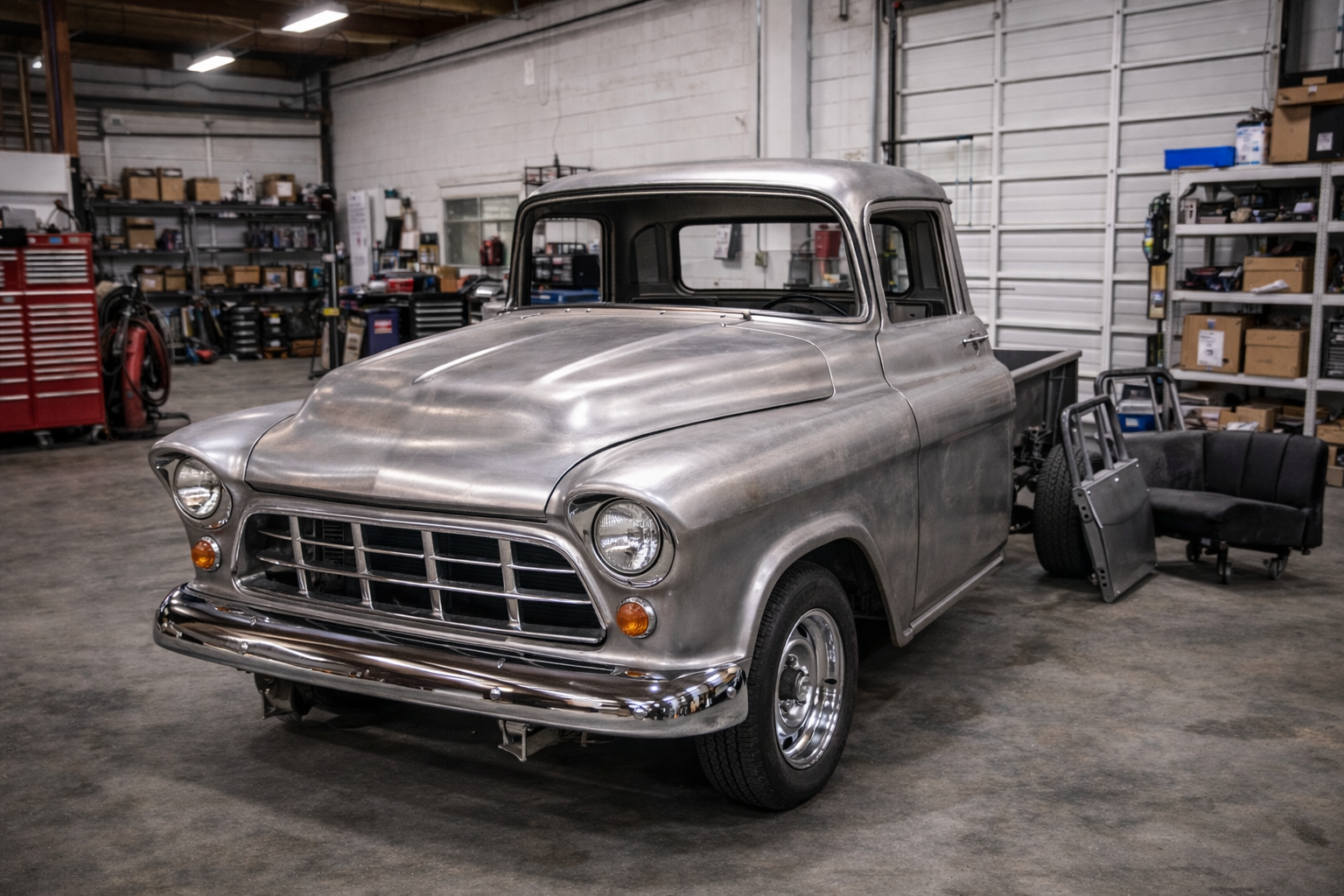
We work on iconic classics, trucks like the Chevy 3100, vintage muscle, cruisers, and timeless platforms where details matter. That means correct panel fitment, proper corrosion control, right paint systems for the era, and finishes that don't look over-restored unless that's the goal. A classic should feel intentional, not trendy.
The Chevy 3100 is one of those trucks everyone recognizes. That also means the mistakes are obvious: wavy panels, wrong gaps, incorrect sheen, mismatched hardware, and "pretty paint over bad prep."
Restoration also has levels: driver, show, and concours/period-correct. We define that early because it determines everything: how deep we go, how perfect the straightness needs to be, what materials we choose, and how we prioritize time and budget.

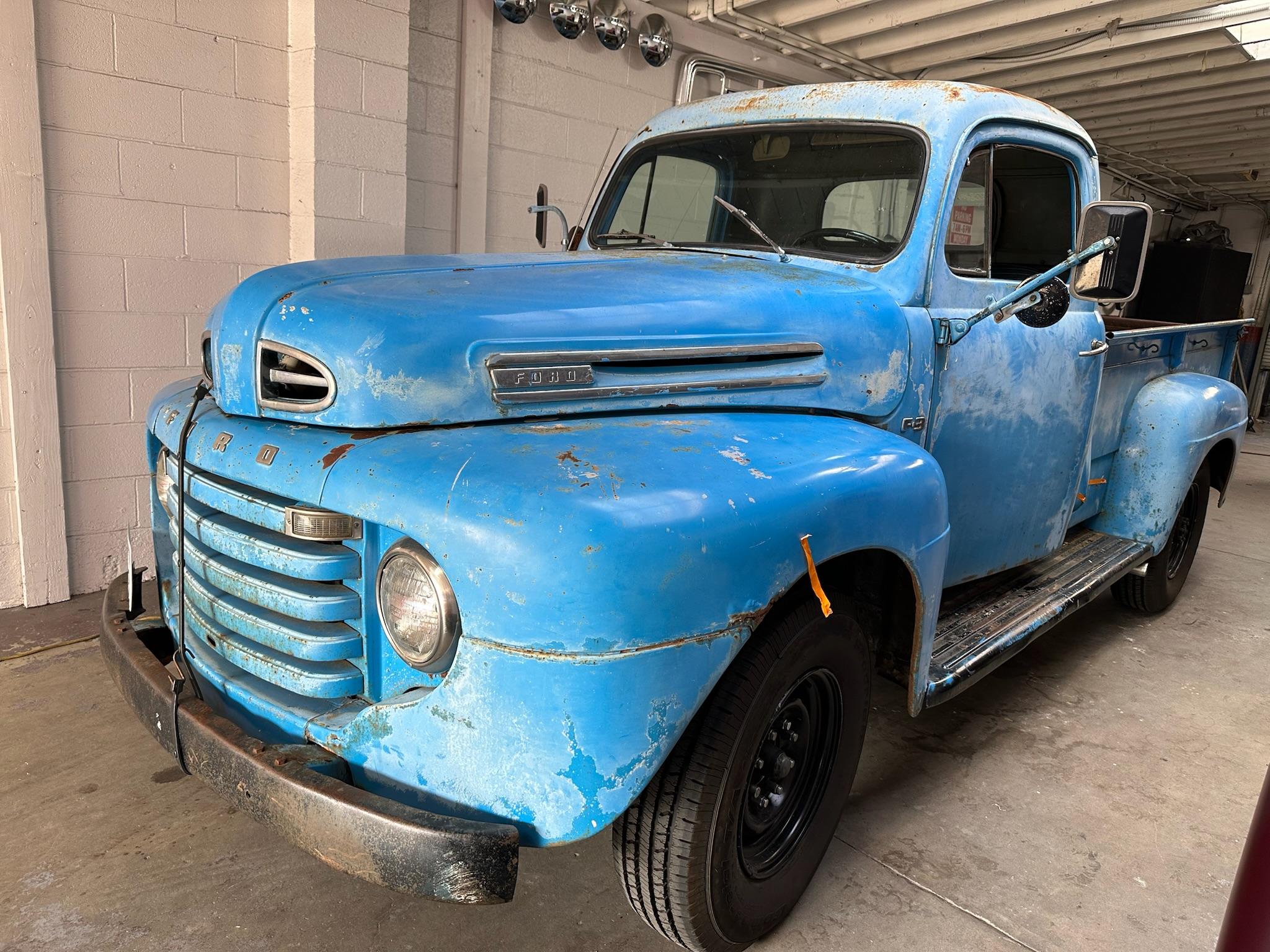
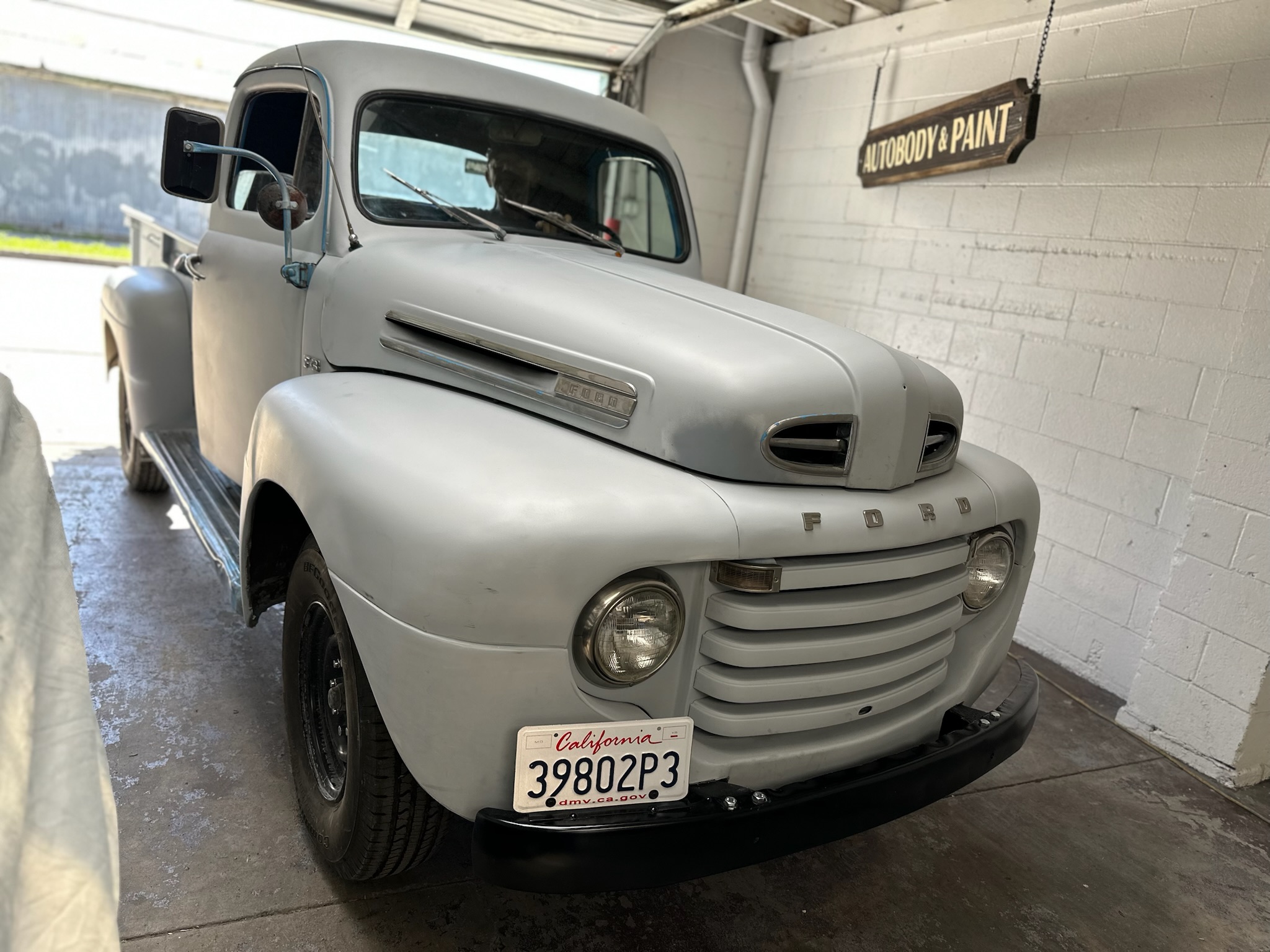
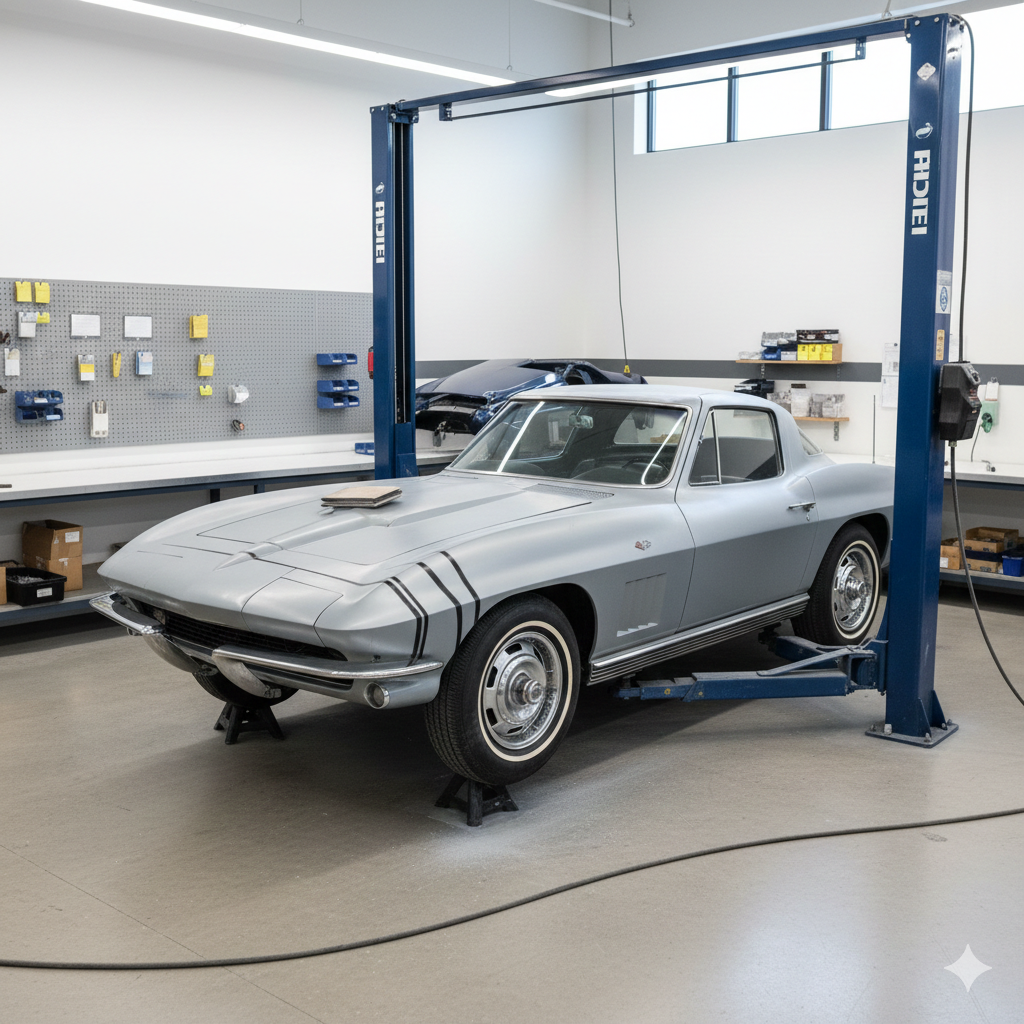
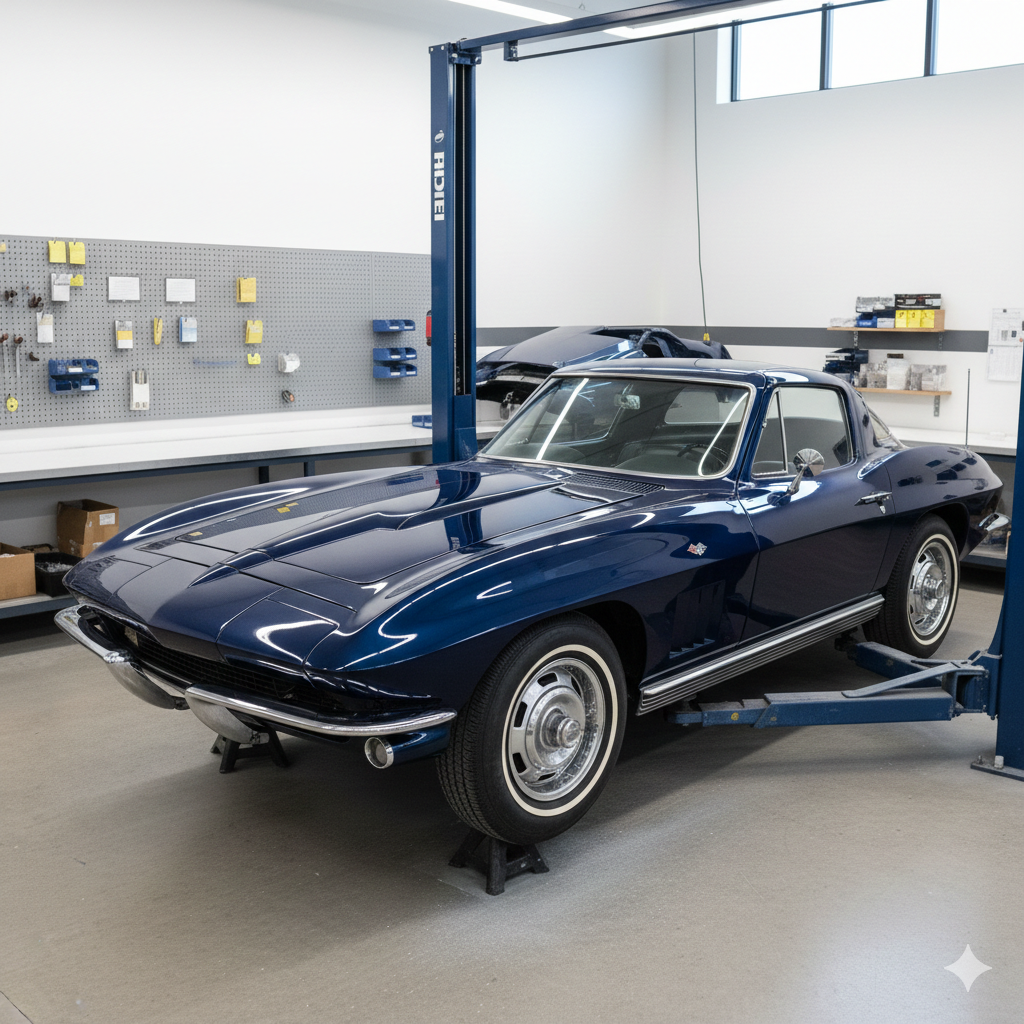
See the transformation from weathered classic to show-ready restoration
Starting condition showing wear, damage, and needed restoration work
Completed restoration with professional finish and attention to detail
"Restoration" can mean three different things depending on who you ask. We define the level up front so scope, expectations, and budget don't drift.
Built to be driven. Reliable, clean, and durable. Correct where it matters, improved where it makes sense, without chasing every cosmetic perfection point.
Tight tolerances, cleaner finishes, higher straightness standards. More time in blocking, fitment, and detail so it looks right under harsh lighting and close inspection.
Correctness-first. Hardware, finishes, textures, colors, and details align with the vehicle's era and spec. This is the "nothing accidental" level.
This is the part most shops don't want to spell out. We do. Because the finish is only as good as the steps beneath it.
Walkaround + underbody assessment, rust mapping, prior repair identification, and goal definition (driver vs show vs concours). We set the level so scope doesn't change midstream.
Disassembly with labeling, bagging, and documentation. Identify what's reusable, restorable, replaceable, or missing. This prevents "mystery hardware" and reassembly chaos later.
Choose stripping method based on panel risk: controlled mechanical removal, chemical stripping, or media blasting where appropriate. Evaluate bare metal, old coatings, filler depth, and hidden corrosion before moving forward.
Cut and repair rust correctly, not cosmetically. Metal-finish panels to restore body lines, reduce filler dependency, and achieve stable straightness. Fitment and gaps get addressed here, not after paint.
Seal the metal with epoxy systems at the correct stage. This is your moisture barrier and foundation layer. Done wrong (or skipped), failures show up years later.
Multiple blocking stages to dial panel flatness, symmetry, and reflections. Guide coats reveal truth. If it isn't straight here, it will never be straight.
Pick the system that fits the era and the use case. Single-stage can be the correct vintage look. Basecoat/clearcoat can be the right durability play for a driven truck. We choose based on goals, not trends.
Validate color and sheen in real-world lighting. Factory codes are a start; actual appearance is the target. Correct gloss levels and textures keep the truck from looking "over-restored."
Controlled application and cure schedule, then finish correction. The goal isn't shine. It's uniform reflections, clean edges, and a stable film build that holds up over time.
Reassemble with correct alignment, gaps, seals, and hardware strategy. Final QA catches what photos don't: feel, sound, and function. This is where a restoration becomes "tight."

The goal is to build something you're proud to own, and that stays right, not just looks right on delivery day.